Beds Depression Scale
2
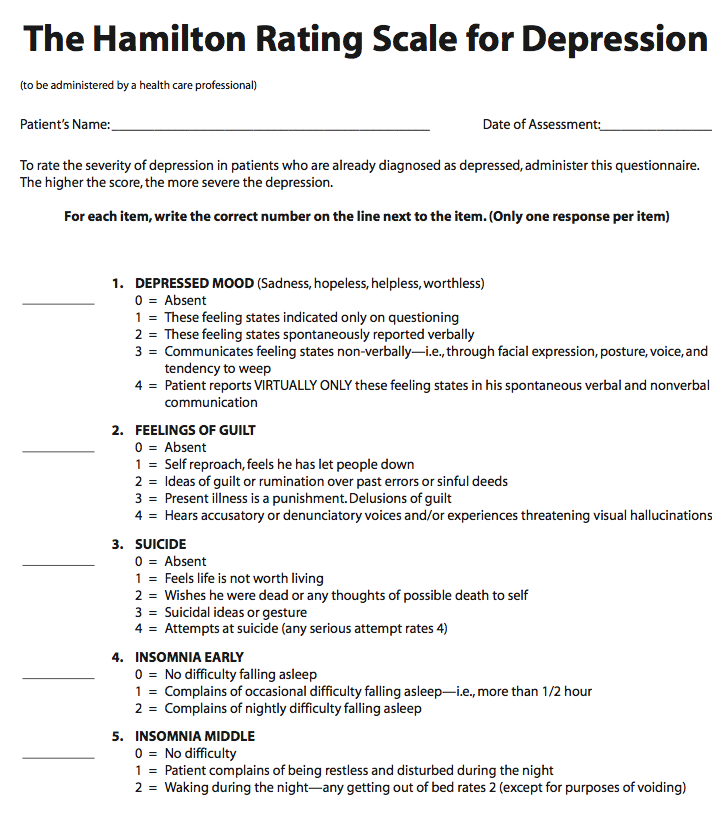
The Hamilton Rating Scale For Depression Medworks Media
/GettyImages-1197814857-db530ed8447e443999bdb988031e990c.jpg)
What Is The Edinburgh Postnatal Depression Scale
2
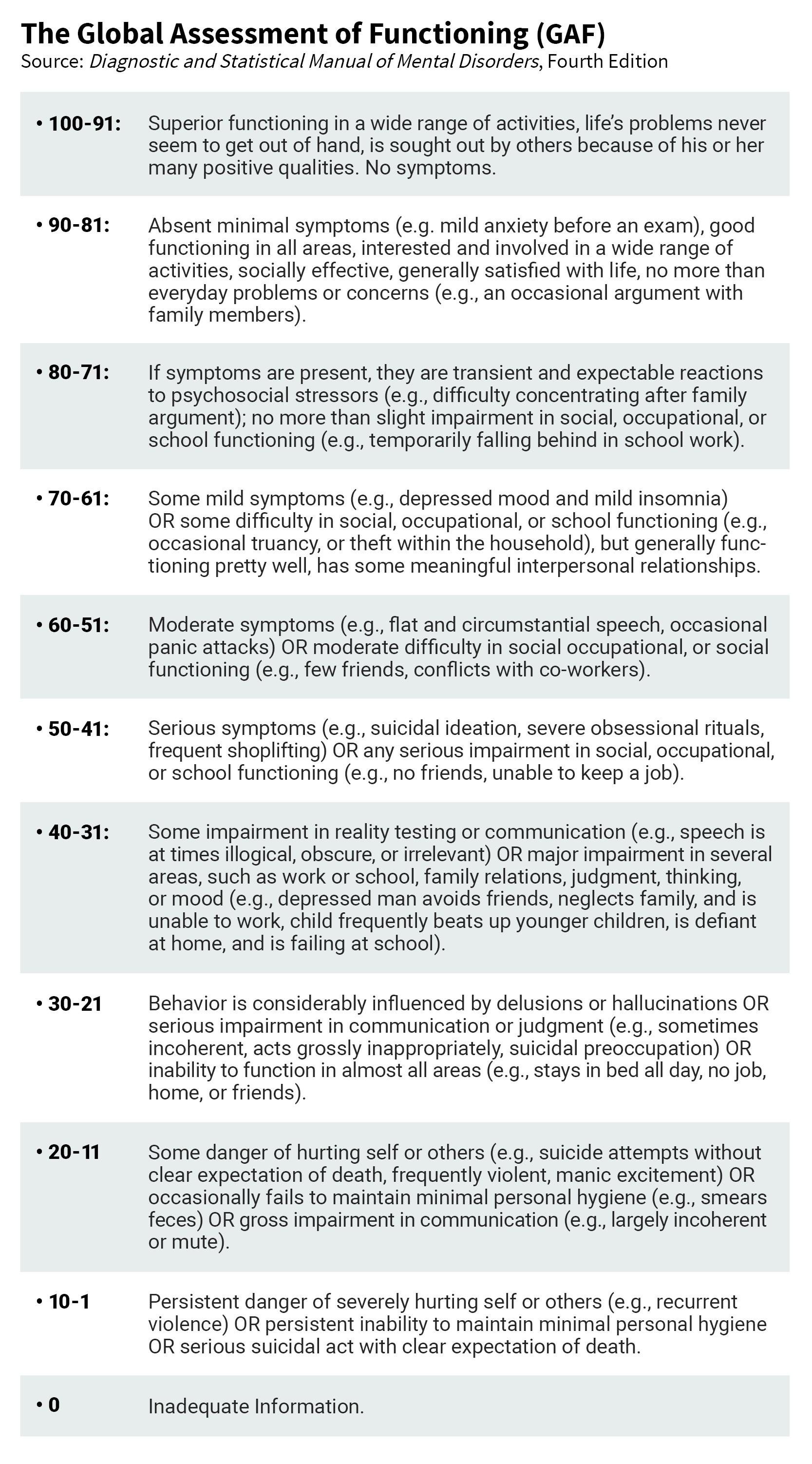
Global Assessment Of Functioning Gaf Scale
:max_bytes(150000):strip_icc()/GettyImages-1192135051-9b9f12d353a84df6b6c83392471a6a2f.jpg)
Early Risers At Lower Risk Of Developing Depression Study Suggests

It is a measure of distress commonly used by Australian GPs and mental health professionals to determine what level of support you may require.
Beds depression scale. The Edinburgh Postnatal Depression Scale EPDS a 10-item scale developed by Cox et al. A patient with a diagnosis of depression in the PSE was 424 times more likely to have an BEDS score higher than 6 on the six item scale and 36 times more likely to have a score of over 11. The maximum score is 30.
0 I do not feel sad. The use of EPDS is favoured because of the ease and speed of its administration. The HDRS was originally developed for hospital inpatients thus the emphasis on melancholic and physical symptoms of depression.
Journal of Affective Disorders Volume 99 Issue 1-3 Pages 259-264 M. The Brief Edinburgh Depression Scale BEDS is a sensitive case-finding tool for depression in advanced cancer patients that was developed in the United Kingdom. Lloyd-Williams et al Reference Lloyd-Williams Shiels and Dowrick 2007.
1 I feel sad 2 I am sad all the time and I cant snap out of it. The Edinburgh Postnatal Depression Scale EPDS - J L Cox J M. 2 The 10-question Edinburgh Postnatal Depression Scale EPDS is a valuable and effici ent way of identifying patients at risk for perinatal depression.
The Geriatric Depression Scale GDS By. Please select the answer that comes closest to. Score either A or B.
Depression is a common psychiatric disorder with an estimated lifetime prevalence of 10 in the general population 1 2In clinical settings its prevalence may reach as high as 20 1 3According to the Diagnostic and Statistical Manual of Mental Disorders Fifth Edition DSM-5 the diagnosis of a Major Depression Episode MDE requires five or more symptoms to be present. Ing to symptoms of depression experienced over the past week. Please read each statement carefully and then circle the number which best describes how much the statement was true for you DURING THE PAST WEEK INCLUDING TODAY.

Pin On Lyme Warp
/mental-health-benefits-of-making-your-bed-5093540-notext-968aa16c003245e2ab80e50b5199cadc.png)
The Mental Health Benefits Of Making Your Bed

Depression Headaches Causes And Treatment

What You Need To Know About Sleep Problems Insomnia And Depression

Pin On Greetings Card

Dating A Man With Depression What You Need To Know And Do Talkspace
Best Mattress For Spinal Cord Injury Factors To Consider And Options

Chronic Pain Might Impact How The Brain Processes Emotions Unsw Newsroom

192 Depression Symptoms People Aren T Aware Of Bored Panda

17 Ways To Avoid Depression Relapse Health Com

10 Best Firm Mattresses In November 2021 Health Com
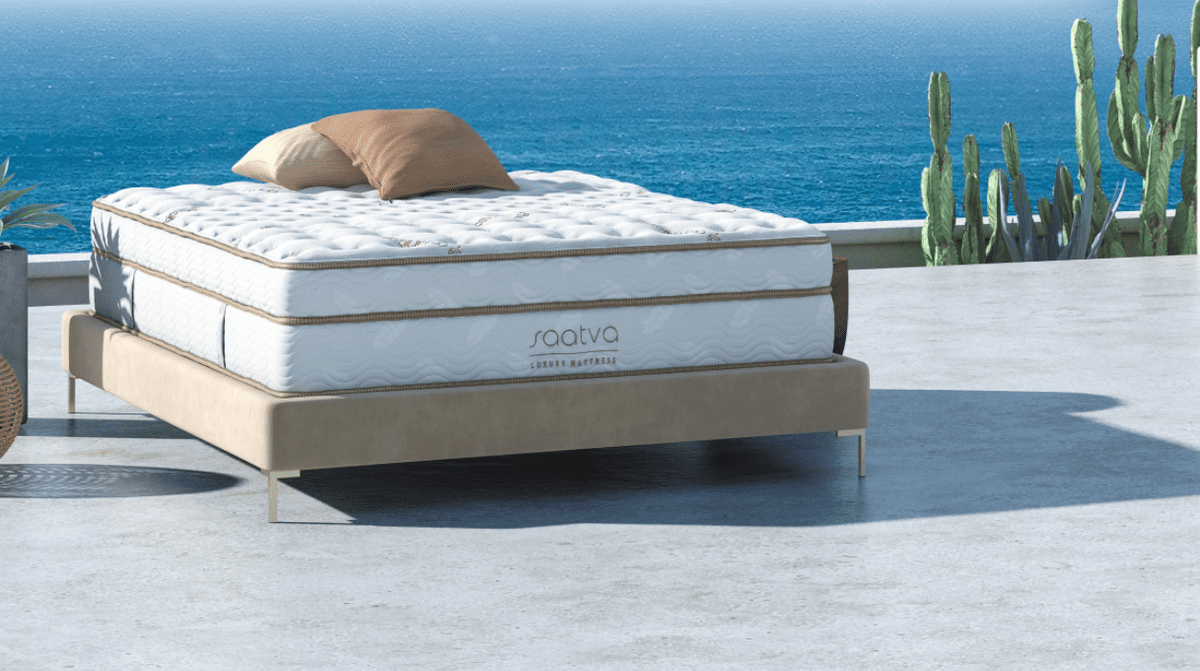
10 Best Firm Mattresses In November 2021 Health Com

Bedroom Lighting Ideas Better Homes Gardens

Magic Mushroom Based Therapy For Depression Shows Promise