Best Trees For Deer Bedding Areas

Creating Buck Beds And Travel Routes Youtube Whitetail Deer Hunting Deer Habitat Deer Hunting

Steps To Creating Deer Bedding Areas Trophy Properties And Auction

Buckadvisor Com Front Page Deer Bedding Deer Whitetail Deer

Pin On Hunting
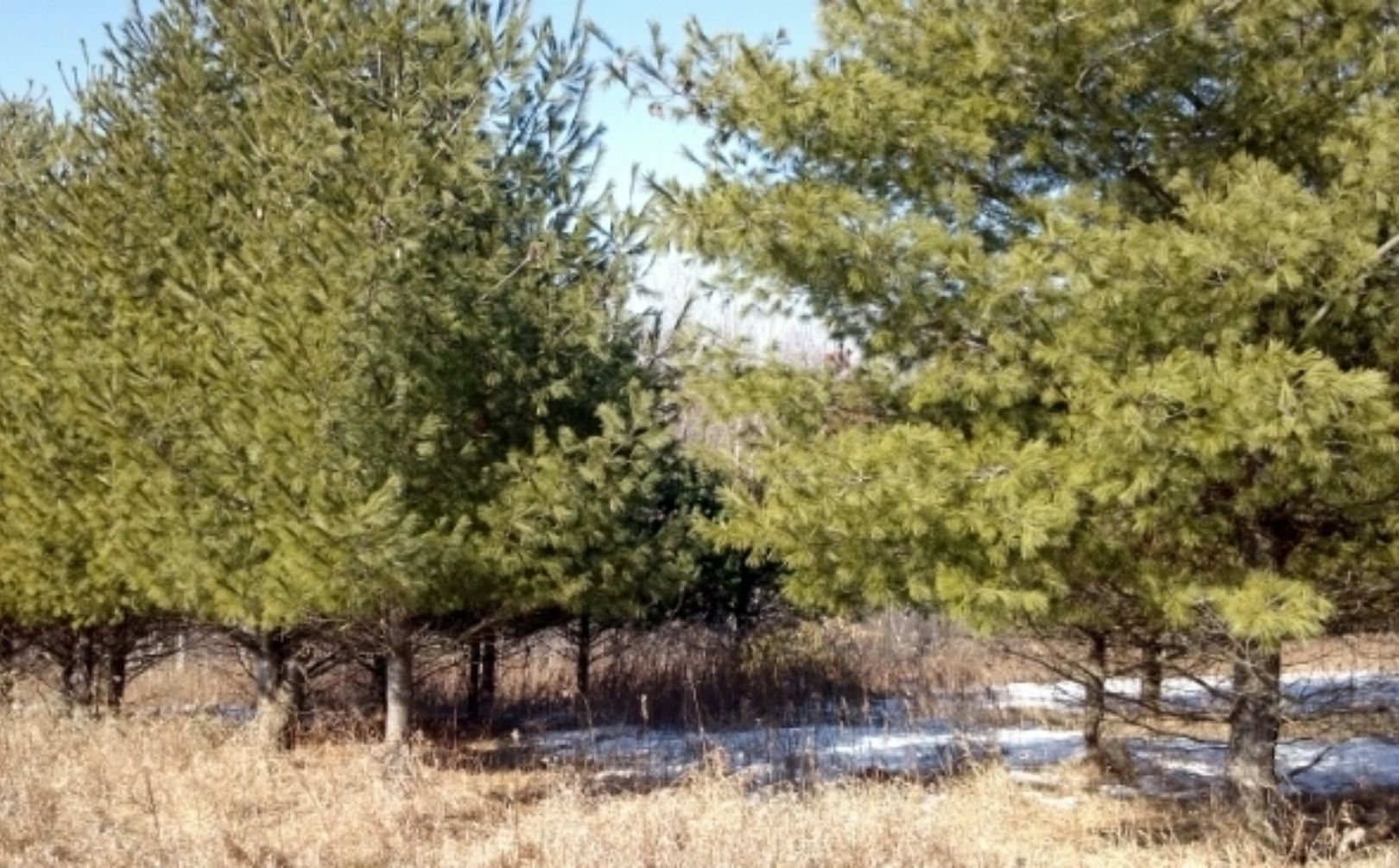
Conifer Plantings For Deer Habitat Whitetail Habitat Solutions

Grow Em Big How To Create Deer Bedding Areas Deer And Deer Hunting Hunting Hunting Magazines Deer Hunting
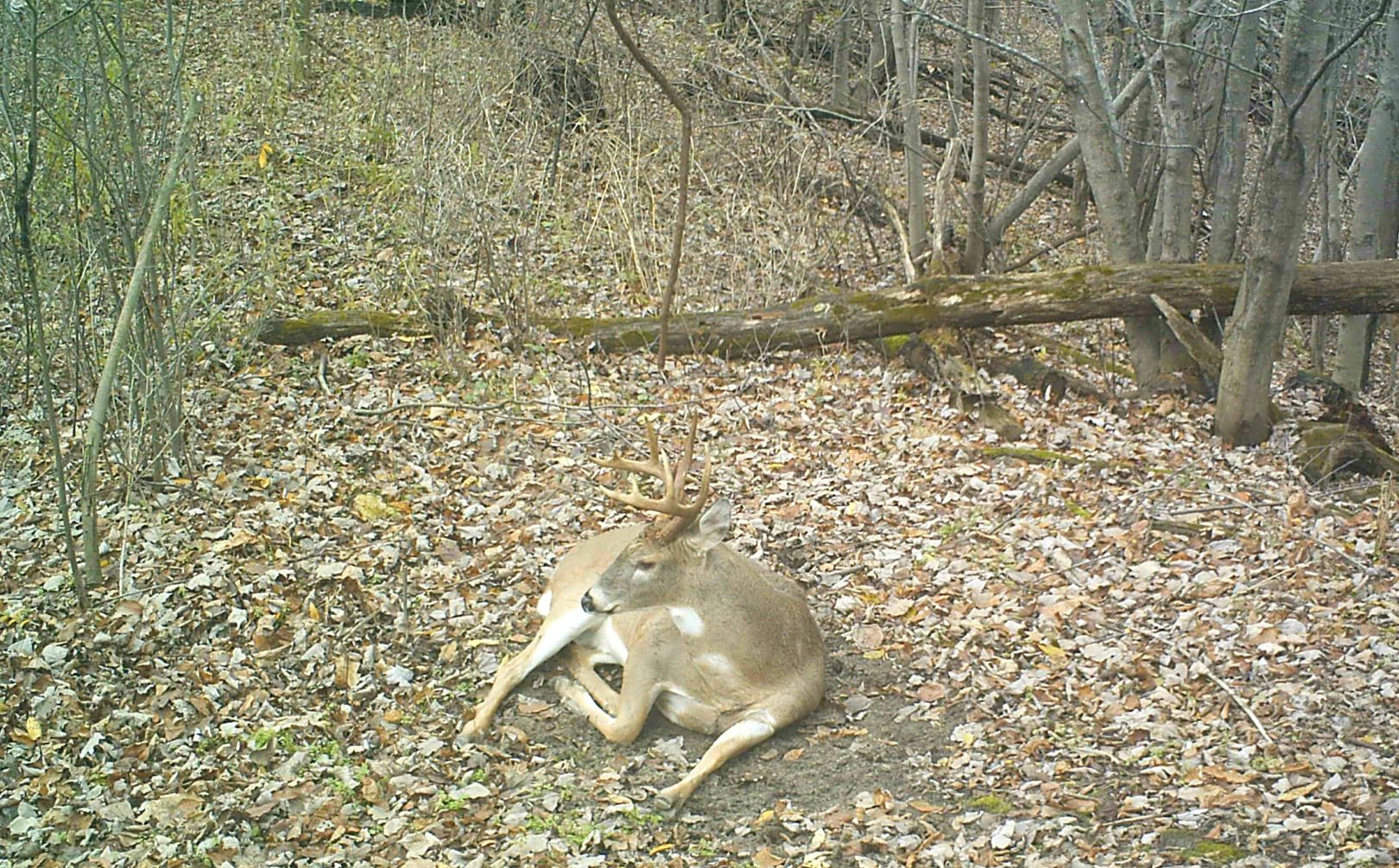
Just a handful of shrubs will do the trick.
Best trees for deer bedding areas. You can see cover types blue circled will be very thick because there arent any trees to block the sun and to some degree the terrain. Offer tunneled exterior deer trails the extend away from the interior core area to a stand or. Plant trees in huntable-sized orchards with about 30 feet of space between hard mast trees and 20 for fruit trees.
Elevated Brush Piles for Deer Cover. To harvest a deer on that land you had to extensively scout to find the best stand sites. Put them in near stream pond and river edges along low hillsides and near deer bedding areas.
This will make a great stand site one day for me my kids and their kids. Most likely bedding areas in the northern half of this area. Hinge cutting trees can create great screening cover bedding areas and travel routes for deer while helping your hunting and habitat.
This aerial photo shows all relevant features. An otherwise ideal bedding zone may lack any tidbits for animals to browse on before they head to major feed areas. More is not always better.
Best Tall Growing Grasses for Deer Cover. It offers a good scent and it grows. When hinge cutting for deer habitat you want to leave enough meat to hold the tree and by using a plastic wedge you can get it to fall without cutting too far into the trunk this technique is called a daisy chain fall.
Do not drop too many trees. Buck beds are all by themselves normally they satellite the doe bedding areas and are strategically located to take advantage of typography and wind direction. If you can accomplish the art of hiding deer within surrounding daytime browsing opportunities before sending them consistently off to their evening food source then you have accomplished the 1 foundation of all high-level deer habitat.

Scouting Deer Bedding Areas Deer Bedding Deer Habitat Whitetail Hunting

Understanding Bedding Behavior Legendary Whitetails Whitetail Deer Hunting Whitetail Hunting Deer Hunting
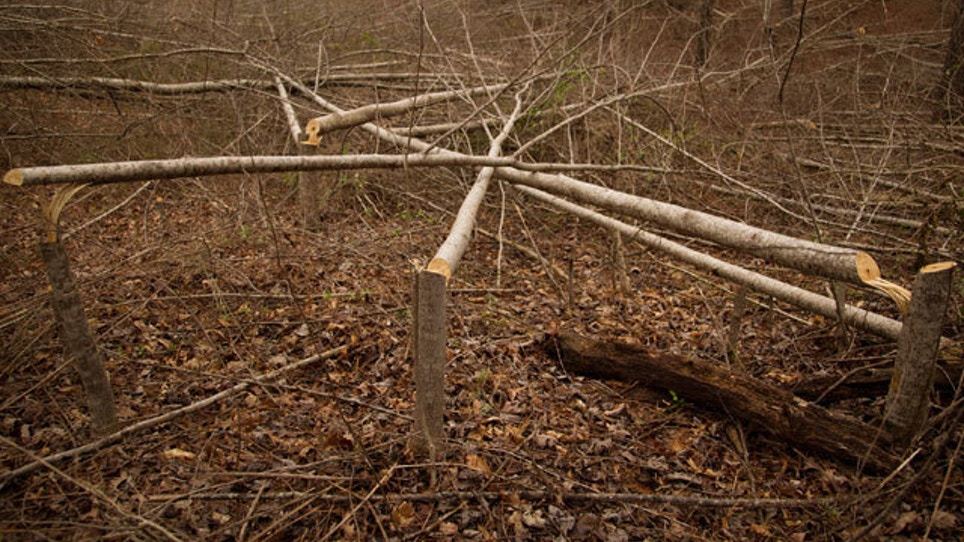
Making Deer Beds Grand View Outdoors

Use Google Earth To Log All Your Hunting Data And Start Shooting More Whitetail Deer Youtube Deer Bedding Whitetail Deer Deer

Pin On Hunting
Important Buck Bed Habitat Tip Whitetail Habitat Solutions

Clean Modern Fruit And Vegetable And Herb Garden Plant Flower Stock Photography G Home Vegetable Garden Design Backyard Vegetable Gardens Planting Flowers

Small Landscaping Trees Front Yards Curb Appeal Backyard Ideas Best Front Yard Landscaping Design Landscaping Trees Front Landscaping

Pin On Hobbies

Find These 6 Types Of Deer Beds To Zero In On Big Bucks

Benefits Of Switchgrass Outreach Outdoors

Customer Feedback Garden Defender Enjoys Great Reviews Customer Praise For Fence Deer Resistant Garden Garden Fencing Fenced Vegetable Garden

Pin On Hunting

I Can See My Boys In This Tree House Twin Over Twin Bunk Bed Pretending This Is A Deer Blind Affiliate Tree House Bunk Bed House Bunk Bed Tree House Bedroom